How To Refresh A Home For Spring Without Overspending
A practical step-by-step guide to how to refresh a home for spring without overspending, including preparation, instructions, common issues, tips, and next steps.

How To Refresh A Home For Spring Without Overspending
Welcome the new season by revitalizing your living space without straining your budget. This guide focuses on practical, low-cost strategies to declutter, clean, and rearrange your home for a fresh, airy feel. Learn how to leverage what you already own, incorporate natural elements, and make small, impactful changes that create a sense of renewal. By prioritizing smart planning and simple do-it-yourself projects, you can achieve a significant transformation that enhances your environment and well-being for the months ahead.
Fast Answer
- Begin by decluttering one room at a time and deep cleaning surfaces. Then, rearrange furniture to improve flow and maximize natural light for an immediate, no-cost refresh.
- Swap heavy winter textiles like wool throws and flannel bedding for lighter fabrics such as cotton or linen, and bring in fresh greenery from your garden or inexpensive houseplants.
Before You Start
- Create a simple plan by walking through your home and listing three key areas you want to improve in each room.
- Gather all your cleaning supplies, including all-purpose cleaners, cloths, sponges, and a vacuum, in one central location.
- Designate boxes or bags for items to keep, donate, discard, or relocate to another room to streamline the decluttering process.
- Schedule dedicated time blocks for this project, even if it's just an hour or two each day, to maintain momentum without feeling overwhelmed.
Step-by-Step Instructions
Execute a Strategic Declutter
Start your spring refresh by systematically decluttering one area at a time to avoid feeling overwhelmed. Choose a small, manageable space like a single bookshelf, a kitchen counter, or a nightstand. Empty the entire area, placing all items on a clear floor or table. As you handle each object, sort it into one of four categories: keep, donate, discard, or relocate. Be honest with yourself about what you truly use and love. Once you have sorted everything, clean the now-empty surface thoroughly before returning only the 'keep' items. Arrange them in a neat, functional way. The practical check for this step is to step back and assess the space afterward. Does it feel lighter and more organized? Can you easily access what you need? This check is crucial because it confirms that your efforts have not just shifted clutter but have genuinely improved the functionality and visual appeal of the area, setting a positive tone for the rest of your home.
Deep Clean with a Purpose
Go beyond your regular tidying routine with a focused deep clean. Concentrate on areas often overlooked, such as baseboards, window tracks, light fixtures, and ceiling fans. Begin by dusting from top to bottom to ensure that dust and debris fall downward before you vacuum or mop the floors. Use a damp microfiber cloth to wipe down walls and switch plates, which accumulate grime over time. For the kitchen and bathrooms, pay special attention to grout lines and appliance interiors. Create a simple, effective cleaning solution with equal parts water and white vinegar for many surfaces. The practical check here is to turn on all the lights and open the curtains to inspect your work in bright light after cleaning a room. Look at surfaces from different angles to spot any missed streaks or dusty corners. This check matters because it ensures a truly thorough clean, making the entire space feel brighter and healthier.
Rearrange Furniture for New Flow
Transform the look and feel of a room without spending a thing by simply rearranging your existing furniture. Before moving heavy items, sketch a few potential layouts on paper to visualize the possibilities. The primary goal is to create better traffic flow and maximize natural light. Try pulling furniture away from the walls to create more intimate conversation areas in the living room. In a bedroom, reorienting the bed can completely change the room's energy. Consider swapping pieces of furniture between different rooms if it makes functional sense. For example, a small side table from the living room might work perfectly as a nightstand. As a practical check, once you have a new layout, walk through the room several times, mimicking your daily routines. Can you move freely without bumping into things? This check is important because a new layout should not only look good but also improve the room's usability and comfort.
Refresh Textiles and Linens
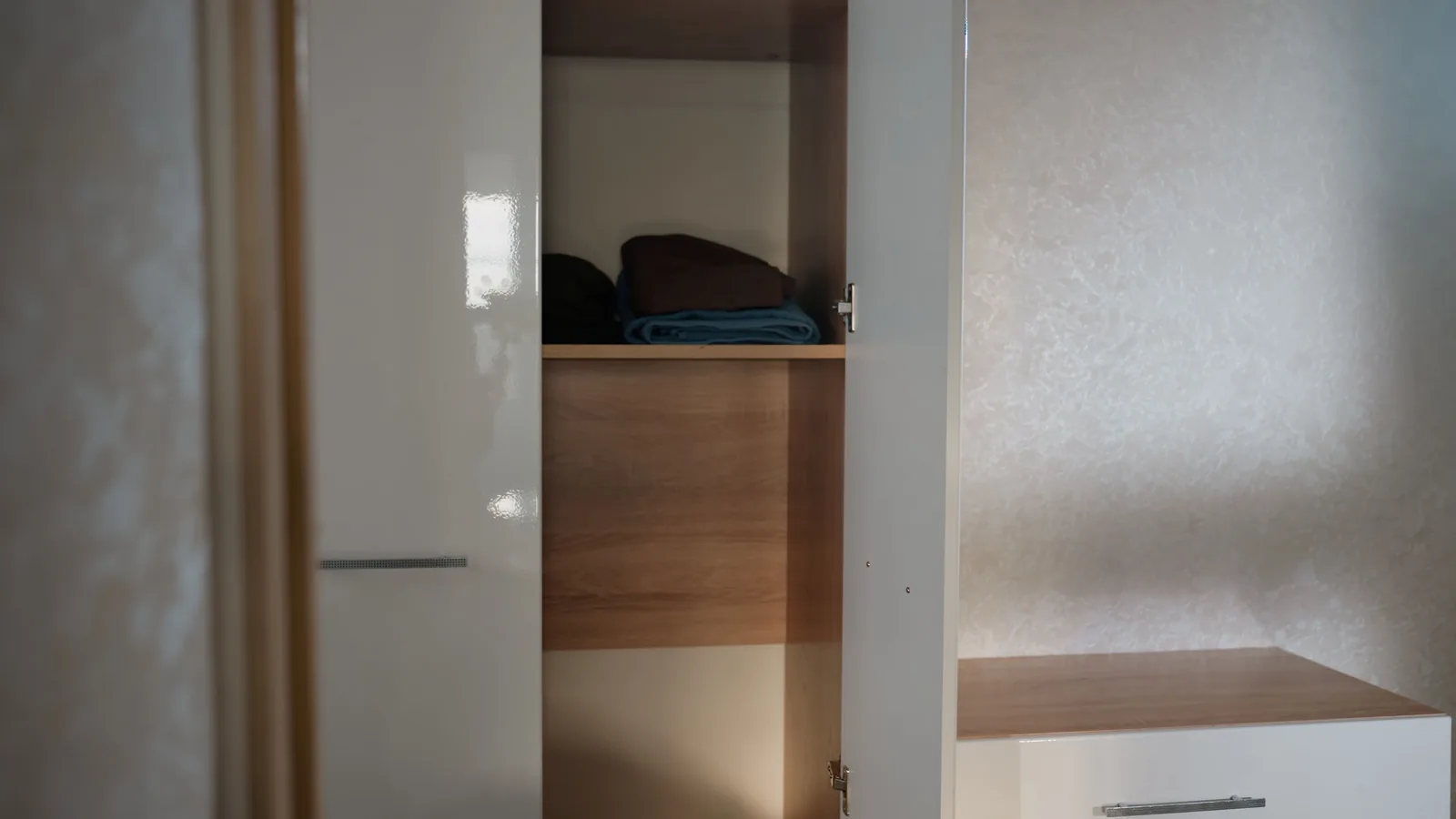
One of the most effective ways to signal a change of season indoors is by changing your textiles. Pack away heavy winter fabrics like wool blankets, flannel sheets, and velvet cushion covers. Replace them with lighter, more breathable materials such as cotton, linen, or light knits. This simple swap can instantly make a room feel cooler and more airy. Wash all your curtains, area rugs if machine washable, and throw blankets to remove the dust accumulated over winter. If you don't have lighter textiles to swap in, simply giving your existing ones a thorough cleaning and airing them out can make a significant difference. Your practical check is to sit in the room for a few minutes after swapping the textiles. Notice the change in texture and color. Does the room feel brighter and more inviting? This confirms the psychological impact of the change, ensuring it contributes to the fresh, renewed feeling you are aiming for.
Bring the Outdoors Inside
Infuse your home with life and color by incorporating natural elements. This doesn't require expensive floral arrangements. Take a walk around your yard or a nearby park and gather interesting branches, wildflowers, or shapely stones to display in a simple vase or bowl. If you have houseplants, give them some attention by wiping down their leaves, rotating them for even sunlight, and trimming any dead foliage. Propagating new plants from cuttings of your existing ones is a free way to add more greenery. Even opening your windows more often to let in fresh air and natural sounds can contribute to a feeling of renewal. For your check, place your new natural elements and observe them over the next day. Do they bring a sense of calm and vitality to the space? This check is vital because the goal is not just visual; it's about creating a multi-sensory experience that revitalizes the atmosphere of your home.
Curate and Edit Your Decor
Complete your home's refresh by thoughtfully editing your decorative items. Over time, surfaces can become cluttered with objects that have lost their impact. This process, often called 'shopping your home,' involves removing all decor from shelves, mantels, and tables, and then selectively reintroducing pieces. Group items in odd numbers, such as three or five, and vary their height and texture for more visual interest. You may find that a vase from the dining room looks fantastic on your bedroom dresser, or that a stack of books can serve as a pedestal for a smaller object. The goal is to create clean, uncluttered surfaces that allow your favorite pieces to stand out. As a practical check, after redecorating a surface, leave the room and come back a few minutes later. Does your eye land on a pleasing focal point? Does the arrangement feel balanced and intentional? This final check ensures your decor enhances the room's fresh look rather than detracting from it.
Quick Reference
| Situation | Action | Why it helps |
|---|---|---|
| A room feels dark and cramped. | Wash the windows inside and out, pull back heavy curtains, and place a mirror on the wall opposite the largest window. | Clean windows let in more light, while a mirror reflects that light, creating an illusion of greater depth and brightness. |
| Surfaces look cluttered and messy. | Use decorative trays or shallow baskets to group smaller items like remotes, keys, or toiletries together on a single surface. | Corralling small items into a single container creates a unified, organized look and makes surfaces easier to clean. |
| The air inside feels stale. | Open windows on opposite sides of your home for at least 15 minutes to create a cross-breeze that airs out the entire space. | This simple ventilation technique effectively removes stagnant indoor air and lingering odors, replacing it with fresh outside air. |
Common Issues
- Feeling unmotivated to start.: Choose the smallest, easiest task first, like clearing one countertop or decluttering a single drawer. The sense of accomplishment from this small win will build momentum for larger tasks.
- Running out of storage space.: Look for underutilized vertical space. Add simple shelves above doorways or in corners. Use under-bed storage containers for seasonal items to free up closet space for everyday use.
- Unable to part with sentimental items.: Designate one specific box or shelf for sentimental items. Limiting the space forces you to choose the most meaningful objects and prevents them from creating clutter throughout the home.
Advanced Tips
- Repurpose old items for new uses. A ceramic pitcher can become a vase, an old ladder can be a unique bookshelf, or glass jars can organize pantry items.
- Conduct a 'pantry challenge' by creating meals using only ingredients you already have, which declutters your kitchen and saves money on groceries.
- Learn basic mending skills to repair clothing or textiles instead of replacing them, or refresh old wooden furniture with a simple coat of polish or wax.
Final Checklist
- All rooms have been decluttered and deep-cleaned top to bottom.
- Furniture has been rearranged to optimize space and natural light.
- Winter textiles are stored, and lighter fabrics are now in use.
- Windows are clean, and natural elements have been introduced.
FAQ
How often should I do a seasonal refresh?
A significant seasonal refresh is beneficial twice a year, in the spring and autumn. This allows you to adapt your home to changing light and weather conditions, clear out accumulated clutter, and prepare your space for the seasons ahead.
What is the most impactful, low-cost change?
Thoroughly decluttering and cleaning is the most impactful change. Removing excess items and grime costs nothing but your time and instantly makes any space feel larger, brighter, and more peaceful, forming the perfect foundation for any other changes.
My home still feels blah after cleaning. What's next?
Focus on sensory details. Introduce a new, fresh scent with an essential oil diffuser or a simple stovetop potpourri. Create a playlist of uplifting music to change the auditory atmosphere. 'Shopping your home' to rearrange art and decor can also make a huge visual impact.