How To Build A Realistic Weekly Cleaning Routine
A practical step-by-step guide to how to build a realistic weekly cleaning routine, including preparation, instructions, common issues, tips, and next steps.
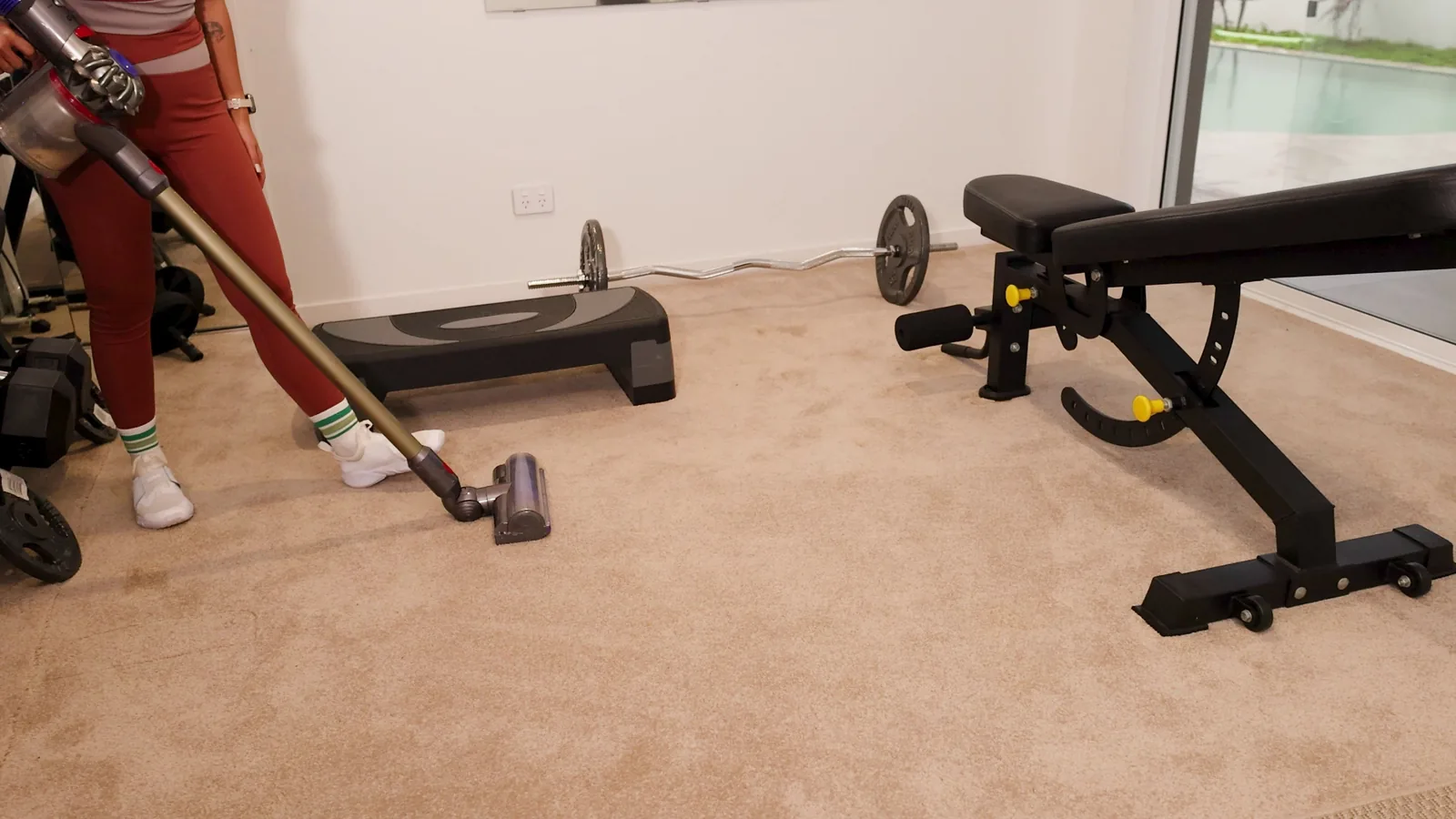
How To Build A Realistic Weekly Cleaning Routine
A realistic weekly cleaning routine matches the work to your actual time, energy, and home rather than to an idealized standard. This guide shows you how to audit your space, divide tasks into daily, weekly, and rotating duties, set sensible time limits, and adjust the plan each week so it survives busy days and still keeps your home comfortably livable.
Fast Answer
- Start by listing every cleaning task you currently do, then mark each one as daily, weekly, or occasional based on how quickly it becomes visibly dirty or unhealthy in your home.
- Build the routine around two short daily blocks and one longer weekly block, and keep a small buffer so a missed day does not collapse the whole schedule.
Before You Start
- Walk through each room with a notepad and write down what actually gets dirty, how fast it happens, and which surfaces or areas you never seem to reach.
- Estimate the honest number of minutes you can clean on a normal weekday, then cut that estimate slightly so the plan stays achievable during tired or busy weeks.
- Gather your supplies in one carryable caddy or basket so you can move room to room without hunting for cloths, bags, or cleaning solutions.
- Decide on a single place to record the routine, such as a paper checklist or a simple note, and keep it visible where you will see it before starting.
Step-by-Step Instructions
Audit your home room by room
Begin by walking through every room and writing down what gets dirty, how often it shows, and which tasks you consistently skip. Note high-traffic areas such as entryways, kitchens, and bathrooms, because these usually need more frequent attention than bedrooms or storage rooms. Mark each task as daily, weekly, or occasional based on how quickly it becomes noticeable, not on how often you think it should be done. After the walkthrough, count the tasks and compare that number with the time you realistically have. This step matters because a routine built on guesses usually collapses within two weeks, while a routine built on observed needs fits your actual home and gives you a fair starting point.
Set your daily minimum blocks
Choose two short daily blocks, one in the morning and one in the evening, and assign only the tasks that keep the home functional, such as wiping kitchen counters, doing a quick bathroom surface wipe, and returning items to their places. Keep each block short enough that you can complete it even on a low-energy day. Write the exact tasks into each block so you are not deciding in the moment. A practical check is to run the routine for three days and note whether you finished both blocks without rushing. This matters because daily maintenance prevents small messes from becoming large weekend projects, and a fixed short list removes the daily decision fatigue that causes people to postpone cleaning entirely.
Design the weekly deep block
Set one longer weekly block, ideally on a day when you have the most control over your time, and fill it with the tasks your daily blocks do not cover. Typical items include mopping floors, cleaning the bathroom more thoroughly, changing bedding, dusting surfaces, and emptying bins in less-used rooms. Order the tasks from top to bottom and from dry to wet, so dust and debris fall onto surfaces you will clean later. Before starting, check that your supplies are stocked and your caddy is ready. The reason order matters is that cleaning a floor before dusting shelves simply means you will clean the floor twice, wasting time and effort that a sensible sequence avoids.
Rotate occasional tasks by week
List the tasks that do not need weekly attention, such as cleaning inside appliances, washing curtains, wiping baseboards, or organizing closets, and assign one or two of them to each week of the month. Create a simple four-week rotation so every occasional task appears once in a cycle. When a rotation week arrives, treat that task as part of the weekly block and skip a lower-priority item if time runs short. Check at the end of each month whether any rotating task was repeatedly missed, because a pattern of misses means the task belongs in a different week or needs to be split into smaller pieces. This matters because occasional tasks are easy to forget entirely, and a rotation keeps them moving without overwhelming any single week.
Add buffers and a reset rule
Build at least one flexible day into the week with no assigned cleaning, and decide in advance what happens when you miss a day. A simple reset rule works well: if you miss a daily block, do only the most important item the next day and let the rest go. If you miss the weekly block, move it to the next available day rather than doubling the following week. Check your plan after a missed day to confirm the reset rule kept the home livable without creating a backlog. This matters because rigid routines break under real life, while a routine with a defined recovery rule bends instead of collapsing, which makes it far more likely to last for months.
Review and adjust every week
At the end of each week, spend a few minutes reviewing what you finished, what you skipped, and how long each block actually took. Adjust the following week by moving tasks between daily, weekly, and rotating slots, or by shortening a block that consistently runs over. Remove any task that never becomes visibly dirty in your home, and add tasks that you keep noticing. A practical check is to compare your planned minutes with your actual minutes for two or three weeks in a row. This matters because a routine is a living plan, and small weekly adjustments keep it matched to your real time and needs instead of slowly drifting into a list you ignore.
Quick Reference
| Situation | Action | Why it helps |
|---|---|---|
| You have only fifteen minutes before guests arrive. | Pick up clutter in the entryway and main sitting area, wipe the most visible surface in the bathroom, and close the doors to rooms guests will not see. | Guests notice clutter and bathroom surfaces first, so concentrating your limited minutes there creates the largest visible improvement. |
| You missed two daily blocks and the mess is piling up. | Do one fifteen-minute reset in the room that bothers you most, then resume your normal daily blocks the next day without trying to catch up on everything. | A single focused reset stops the backlog from growing, while skipping the catch-up prevents burnout that would break the routine entirely. |
| Your weekly block keeps running past its time limit. | Move the lowest-priority task to the rotating list and time the remaining tasks once to see which one is taking longer than you planned. | Trimming and measuring turns an overlong block into a realistic one, and the timing shows whether the problem is the task list or your estimates. |
Common Issues
- The routine looks great on paper but you never follow it.: Cut the plan down to the two daily blocks and one weekly block, then run it for one week before adding anything back. A plan you follow at half size is more useful than a complete plan you abandon, because consistency builds the habit that later makes a fuller routine possible.
- One room always gets skipped, usually the bathroom or kitchen.: Give that room its own fixed slot in the weekly block and start the block there while your energy is highest. If it still gets skipped, split its tasks across two days or fold the most important ones into a daily block so it stops depending on one weekly session.
- You spend the whole weekly block on one task and run out of time.: Set a timer for each task before you begin and stop when it rings, moving the remainder to the next week. Most tasks reach a good-enough standard well before they reach perfection, and a timer protects the rest of your list from one absorbing job.
Advanced Tips
- Keep a duplicate set of basic supplies on each floor of your home so you never postpone a quick clean because the caddy is upstairs or downstairs.
- Photograph your tidy rooms after a good weekly block and use the photos as your standard, which makes it easier to notice drift without aiming for perfection.
- Pair a disliked task with something enjoyable, such as listening to a podcast or calling a friend, and reserve that pairing only for that task so it stays motivating.
Final Checklist
- Your routine lists daily, weekly, and rotating tasks separately, with realistic time estimates for each block.
- Every room has been checked against what actually gets dirty there, and tasks that never need doing have been removed.
- A reset rule for missed days is written down, along with at least one flexible day with no assigned cleaning.
- A short weekly review is scheduled so you can adjust the plan based on what you finished and how long it took.
FAQ
How long should a weekly cleaning routine take?
It depends on the size of your home, how many people live there, and how much you delegate. A practical approach is to measure your first two weeks honestly, then trim the plan until the daily blocks fit comfortably into your normal day and the weekly block fits into one session you can complete without rushing.
What if I live with other people who do not follow the routine?
Assign each person a small set of clearly owned tasks and a specific time to do them, then keep shared areas on a simple rotation. Discuss the plan once, write it where everyone can see it, and review it together weekly so adjustments are agreed rather than assumed.
Should I clean every room every week?
Not necessarily. Rooms with heavy daily use usually need weekly attention, while guest rooms, storage areas, and little-used spaces can move to a rotating schedule. Check each room for visible dirt or odor and let those observations decide the frequency rather than cleaning everything on the same schedule.